
- +44 1480 464 066
- sales@orbitalfl.com
Challenges for hydrogen as fuel
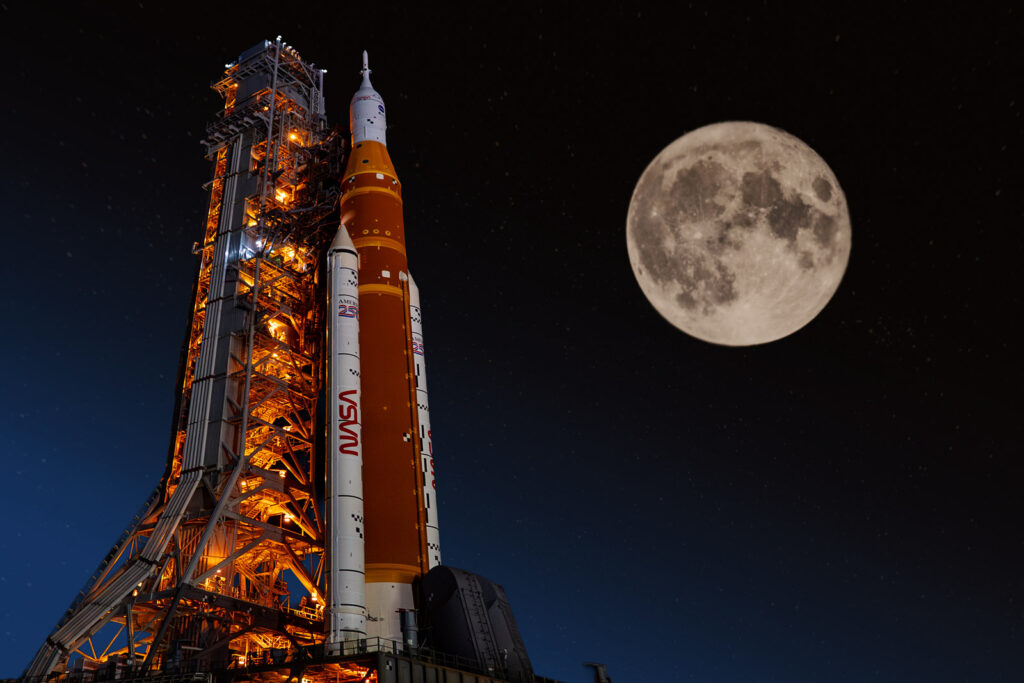
But it’s also worth noting that leaks, again due to the small size of the molecule, have been an ever-present issue for NASA. Numerous NASA launch dates have been delayed by hydrogen leaks. “Hydrogen tends to find its way out of things you want to try to contain it in,” said Adam Swanger , a senior principal investigator and cryogenics research engineer at NASA’s Kennedy Space Center. And it’s easy to ignite, presenting the risk of explosion or combustion when it comes into contact with atmospheric oxygen.
How do hydrogen-powered cars compare to electric vehicles?
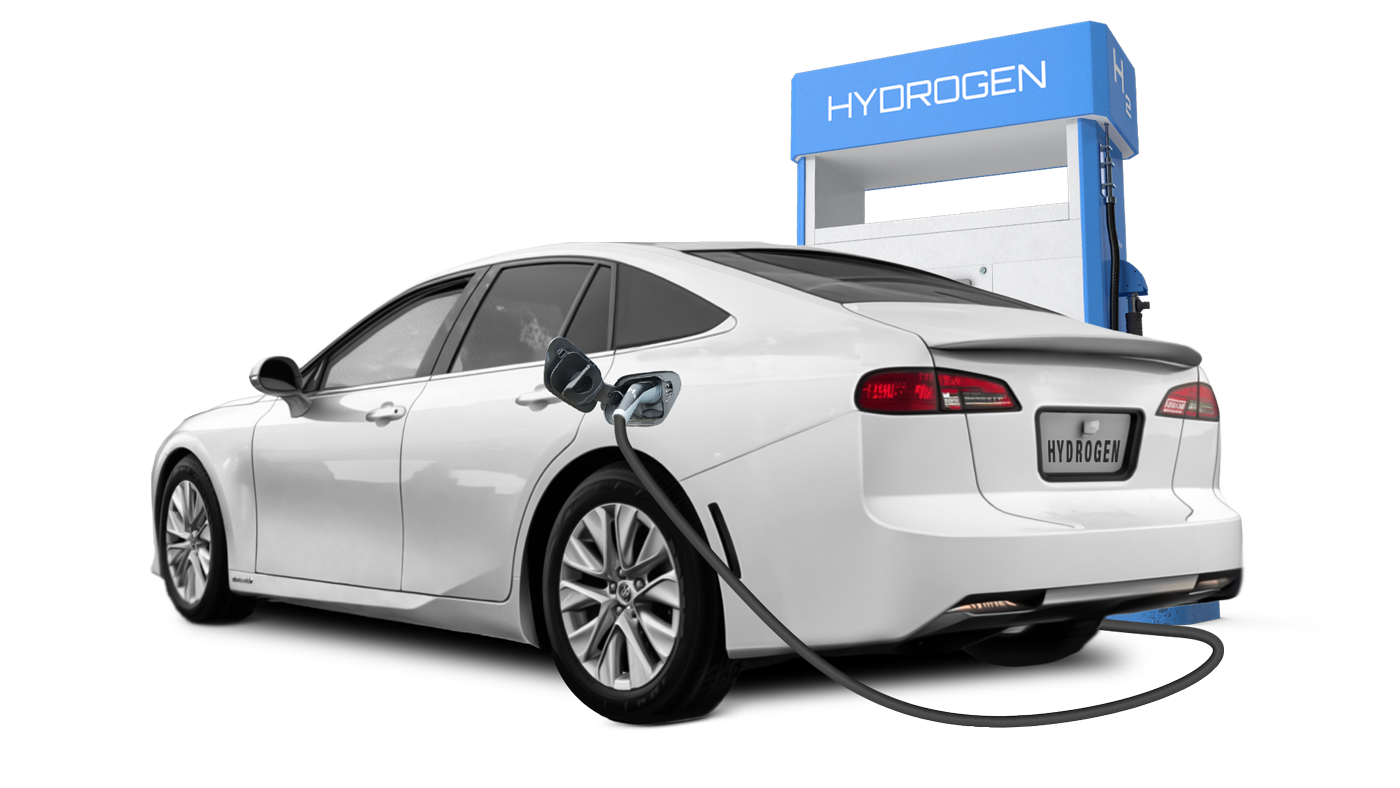
Nevertheless, hydrogen is the most abundant element in the universe, accounting for around 75% of normal matter. This, along with the fact that hydrogen combustion produces only water as a by-product, explains why there is so much interest in harnessing its potential as a fuel more widely than NASA’s moon missions. It aligns with decarbonisation strategies and, compared to battery electric vehicles, promises quicker refuelling, longer range and lighter weight.
Although the costs of a widescale rollout in the automotive sector is currently prohibitive and the infrastructure limited, the market is forecast to have a CAGR of 20% between 2025 and 2030, covering cars, light and heavy goods vehicles and public transport. A number of global automotive manufacturers, including BMW, Honda, Hyundai and Toyota, are reporting positive results from programmes to develop hydrogen cars, while academic institutions around the globe are running projects to explore and commercialise the potential of hydrogen.
Hydrogen has a boiling point of -252.9ºC, creating an additional layer of complexity for NASA, due to its requirement to use the element in liquid form. Nonetheless, applications using hydrogen gas still need to address the safety and containment issues, with fire or explosion risk an ongoing concern.
Hydrogen embrittlement
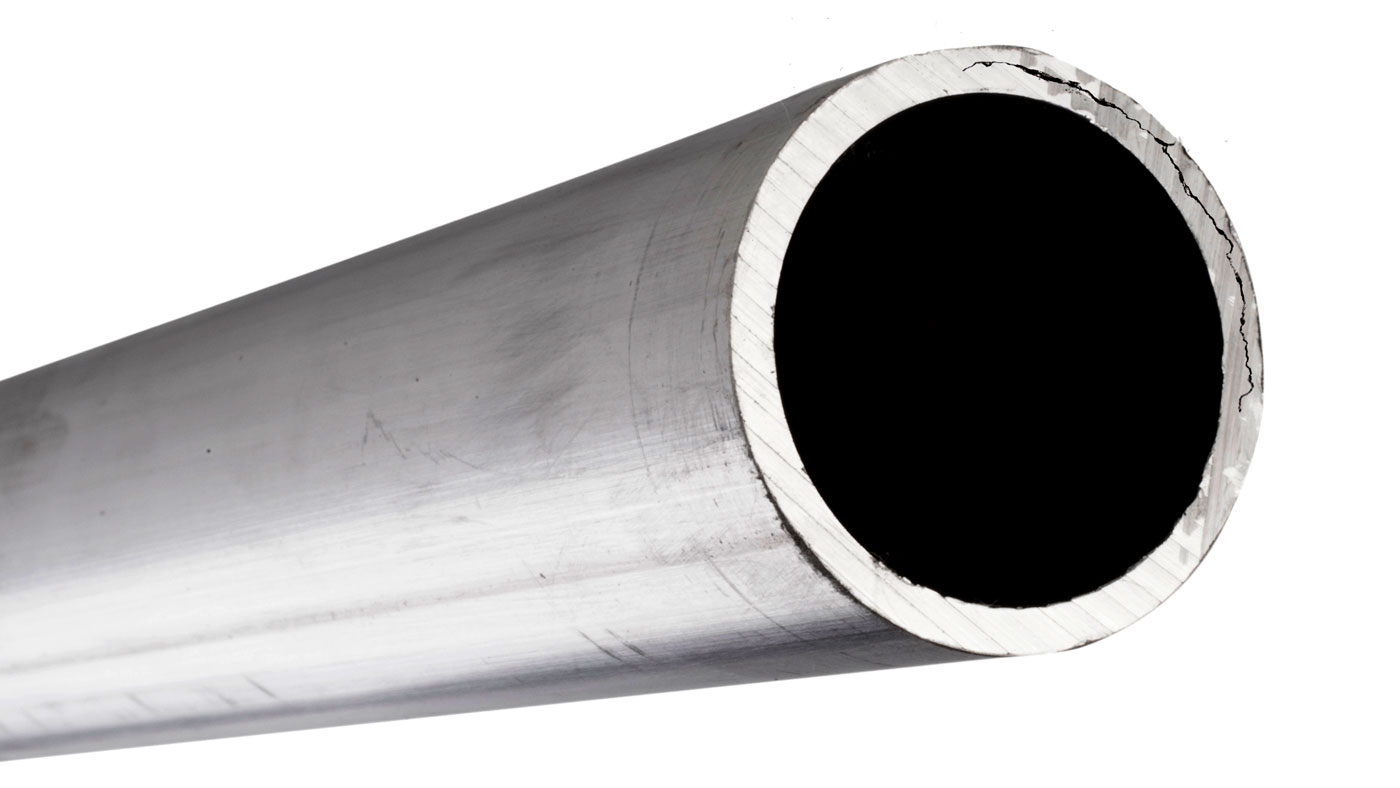
A further issue, talked about less frequently but just as significant in hydrogen gas applications, is its tendency to cause embrittlement of the metal it comes into contact with. Once again, its small molecule size is to blame, being capable of infiltrating the structure of the metal and thereby reducing ductility, toughness and tensile strength. Hydrogen atoms accumulate at defects, weakening atomic bonds, causing cracks and, ultimately, failure.
Orbital has worked on a number of hydrogen gas delivery systems, including at the IAAPS. We spoke to Freddy Carter, Orbital’s Engineering and Projects Director, to understand more about the considerations when dealing with hydrogen gas.
“Essentially, high-pressure hydrogen gas applications are a culmination of all the experience we’ve gained over almost four decades of delivering toxic, pyrophoric or explosive gases at high purity levels in industrial settings,” he says.
Welded . Pure . Secure
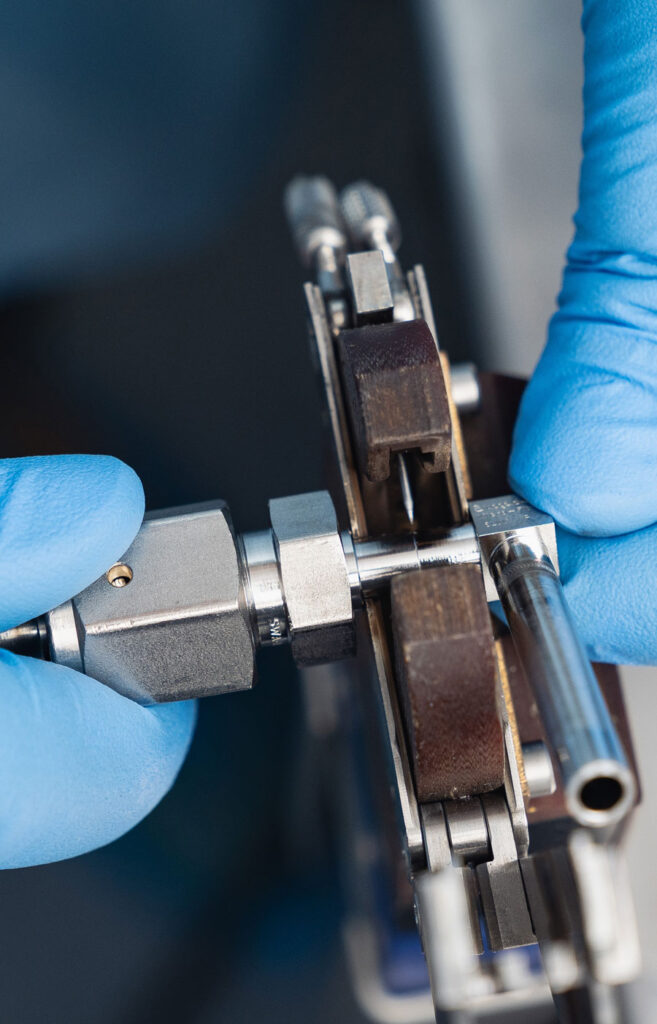
“As ever, safety is the number one concern. Hydrogen is the ultimate escape artist and presents the risk of explosion and/or fire when in contact with atmospheric oxygen, so containment is critical. For hydrogen gas handling systems, dual containment or coaxial lines are common and during system design, we aim to use high-integrity orbital welds instead of fitments wherever possible.” [Seals – either through deformation or incorrect seating – have been identified as the cause of recent leaks at NASA, so minimising the number of components also reduces potential leakage points.]
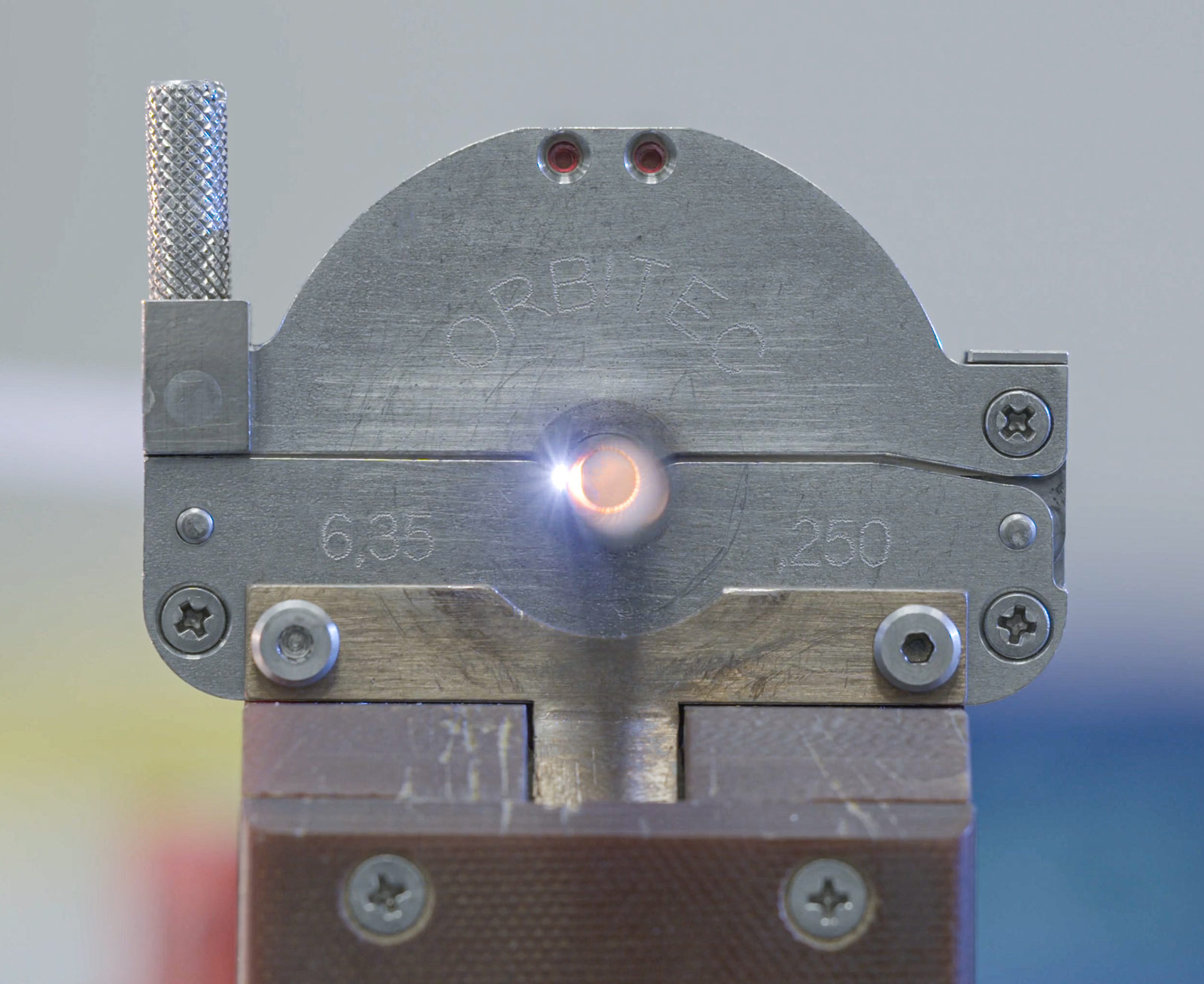
Specified purity levels are usually extremely high for hydrogen applications, not least because of the risk that contaminants pose to components like membranes within fuel cell systems. “Whether for hydrogen fuel cells or electrolysers, Orbital’s manufacturing approach ensures that we can meet those specifications,” affirms Freddy. “We undertake a wide range of processes in cleanroom conditions including welding, leak testing and packaging of individual components, creating a clean chain of custody from the outset. We use ultra-pure argon during all welding operations on site for purging and shielding purposes and our systems are installed by our own team, who are trained and fully understand the critical role of purity.”
Manufacturing quality control
“Quality of materials and build are also essential. In terms of system build, using 316 stainless steel is non-negotiable but even then, we are very particular about sourcing only the highest quality steel from the most reputable mills. This is the best safeguard against future embrittlement, since any defects in the steel can create weak points down the line. We also carry out routine testing of welds, which for an ASME/SEMI project, means every 20 welds.”
When it comes to third-party components, the same quality principles apply. “Swagelok is recognised globally as the benchmark for quality in components for high-purity fluid systems and so we are proud to be the only European approved Swagelok welder granted by Swagelok headquarters in the USA,” says Freddy.
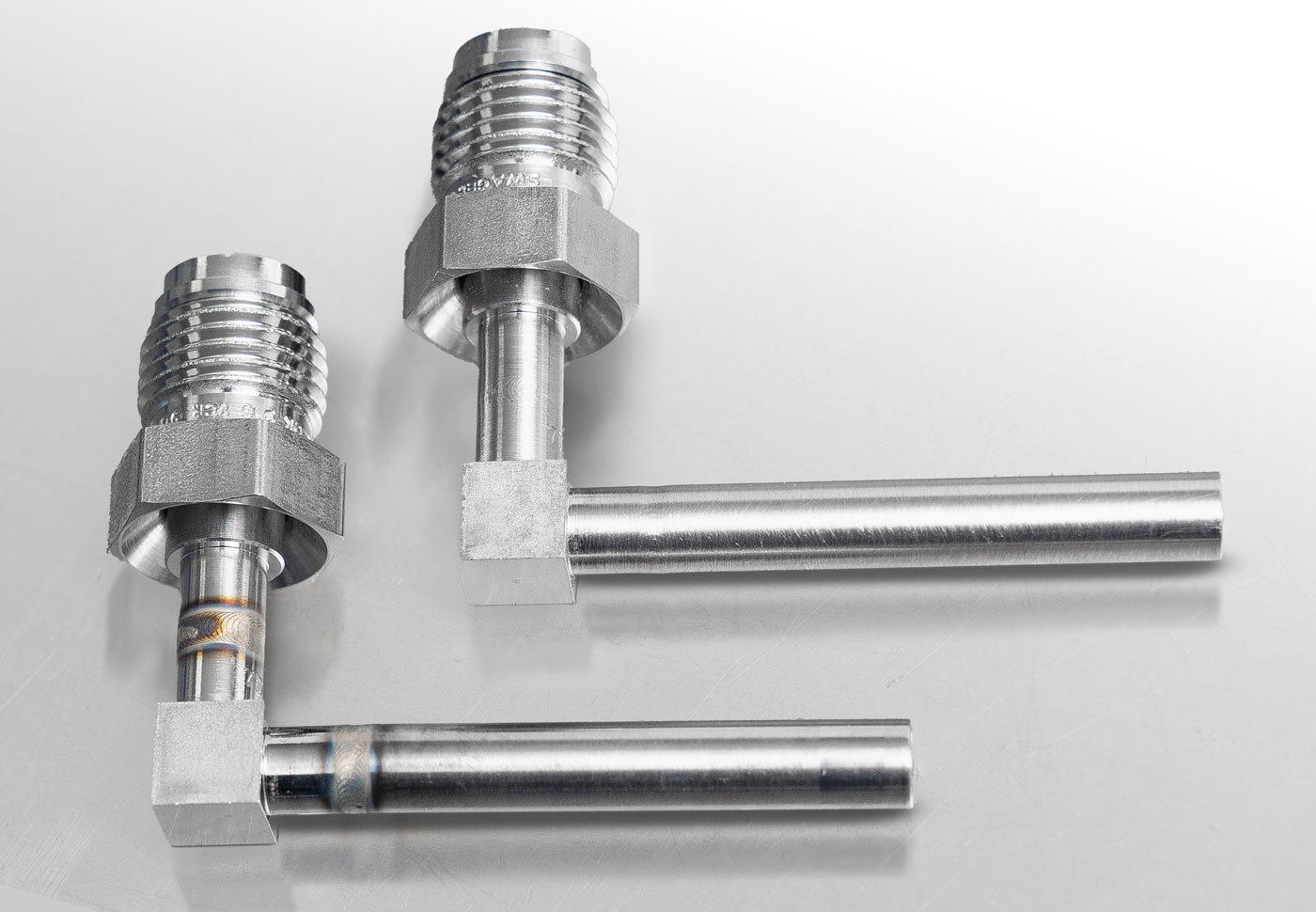
Both site and in-house teams at Orbital are skilled in a wide range of welding techniques and are renowned particularly for their prowess in orbital welding. This is the gold standard for high-purity, high-integrity systems, with fully penetrating welds to ensure consistency and strength of the material.
“Finally,” says Freddy, “regular inspection is essential, given the propensity of hydrogen to leak and cause embrittlement.”
The UK Pressure Systems Safety Regulations (2000) mandate written schemes of examination (WSEs) for pressure systems. The principal aim of the regulations is to prevent serious injury from the hazard of stored energy (pressure) as a result of the failure of a pressure system or one of its component parts.
As the UK’s leading installer of pressurised gas handling systems, Orbital ensures customers are supplied with a comprehensive documentation pack, including isometric weld maps, weld logs, material traceability, NDT reports, testing reports and O&M’s.
Written schemes of examination
WSEs must be produced and annual inspections carried out by ‘competent persons’, whose responsibilities include:
• reviewing the WSE and confirming it is suitable
• producing a written report for each examination
• notifying the user/owner of repairs required
• identifying action in case of imminent danger
• agreeing postponements of examination, where appropriate
Our engineers are Pressure Safe-trained, have the relevant industry experience and as external suppliers, fulfil the Regulations’ requirement to be independent from the functions of the operating organisation.