
- +44 1480 464 066
- sales@orbitalfl.com
A Written Scheme of Examination (WSE) is the legal document that must exist before a qualifying pressure system can be operated in the UK.
It sets out the parts of a system that must be examined, the method of examination, and the maximum interval permitted before the next inspection – drawn up and certified by a “competent person” as required under the Pressure Systems Safety Regulations 2000 (PSSR). Supplementary to the WSE, an APEA should be carried out on the entirety of the system, regardless of age, to ensure that each component or service is suitable for it’s intended operation. The results of this assessment can impact the frequency or type of inspection carried out against the WSE. To fulfil other obligations under PUWER, an inspection and maintenance programme should also be created and carried out periodically, giving the Owner/User a fully compliant system.
From initial system assessment to scheduled pressure vessel inspection and certified reporting, watch how Orbital’s engineers manage Written Scheme of Examination compliance for live pressure systems.
For operators of pressure vessels, compressed gas pipework, steam systems or high-purity process gas installations, a WSE isn’t a compliance formality to file away; it’s the document that determines whether equipment can legally be operated, and the basis on which every subsequent inspection is planned and recorded.
The Pressure Systems Safety Regulations 2000 exist because stored energy in a pressure system; whether compressed gas, steam, or a gas dissolved under pressure such as acetylene, can fail violently if a vessel, pipeline or protective device deteriorates undetected.
PSSR is enforced by the Health and Safety Executive, and non-compliance carries real consequences: improvement or prohibition notices, unlimited fines, prosecution, and in many cases invalidated insurance cover. Under Regulation 8 of PSSR, the user of an installed system, or the owner of a mobile one, is prohibited from operating it, or allowing it to be operated, unless a Written Scheme of Examination is in place. This applies before first use, regardless of how new the equipment is, and continues to apply for the operational life of the system.
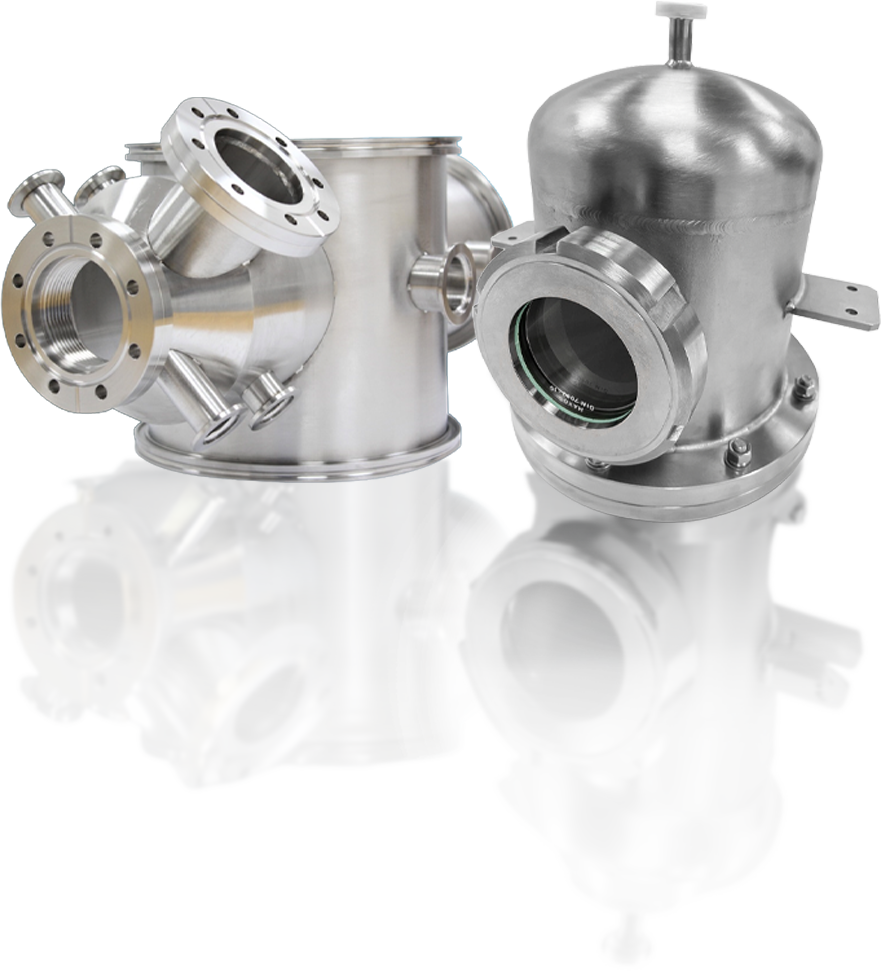
As a general guide, a WSE is required wherever a system holds a “relevant fluid”, compressed or liquefied gas, including air, at more than 0.5 bar above atmospheric pressure; steam at any pressure; pressurised hot water above 110°C; or a gas dissolved under pressure, such as acetylene.
In practice, this brings a wide range of equipment into scope including pressurised process gas and liquid delivery systems found across semiconductor, pharmaceutical and clean energy facilities. These are exactly the systems Orbital designs, fabricates and installs, which is why WSE sits naturally alongside our wider engineering work rather than as a separate, disconnected service.
A properly drawn-up WSE identifies the parts of the system that could give rise to danger if a defect went undetected – vessels, pipelines and pipework, and protective devices such as safety valves, pressure switches and level indicators, and defines the safe operating limits of each.
It specifies the nature of the examination required for every item, the method by which it will be carried out, and the maximum interval permitted before the next examination, typically every 12 to 24 months depending on the system and its risk classification of minor, intermediate or major. The scheme itself is also subject to periodic review by the competent person, who must confirm it remains suitable as the system, its use, or its operating environment changes, for example following a modification, a repair, or the addition of a new gas line.
For Orbital, WSE and pressure system examination isn’t a bolt-on service, it’s a natural extension of the documentation and testing discipline that already runs through everything we install.
Where Orbital has installed the system, our impartial inspectors carry out an assessment, draw up the written scheme, and schedule the examination at the correct interval, with annual inspections and scheme updates as your system changes. Where a system was installed by a third party, we can assess it independently and produce or take over WSE documentation regardless of who built it, giving you a single point of contact for compliance across a mixed estate. Every examination is followed by a clear written report and certificate, so you have the audit trail an HSE inspector, insurer or auditor will ask to see.